BY NONDUMISO MASEKO
Entrepreneurship is often romanticized as having a groundbreaking idea. More often, it begins with noticing a problem that everyone else has learned to live with.
Dennis Vilane’s journey is proof of that.
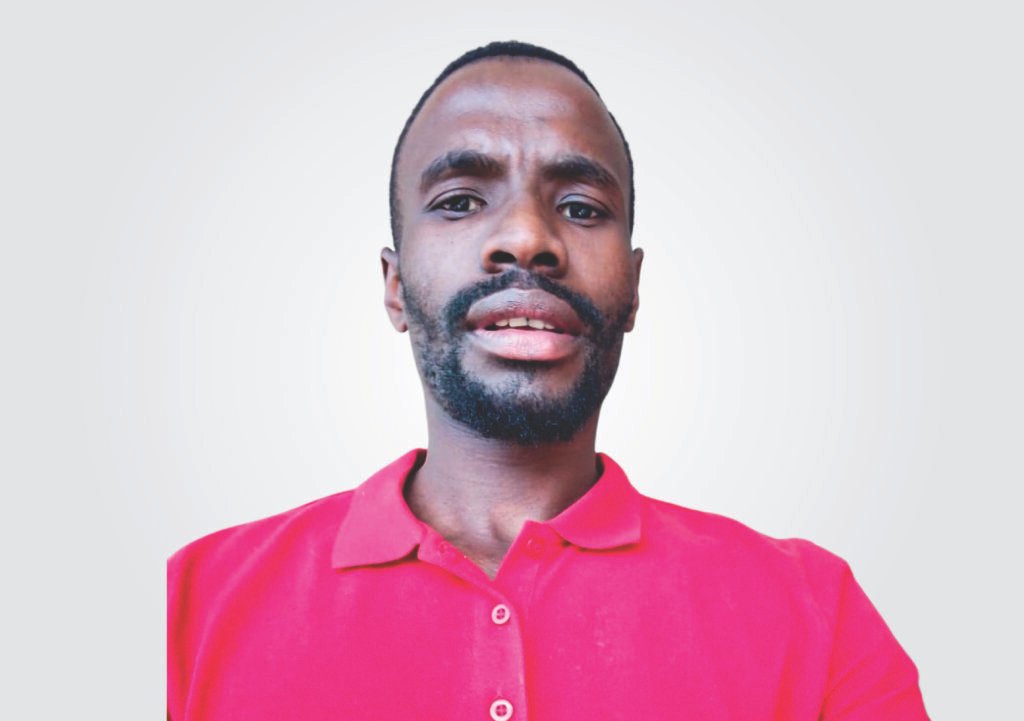
Although he holds a qualification in Business Management rather than construction or engineering, Dennis has built businesses within the construction space by doing what entrepreneurs do best: identifying gaps and creating solutions.
“I didn’t study construction,” he says. “But I saw a gap in the market.”
Property owners needed reliable renovation and maintenance services, and he saw an opportunity to build a business around meeting those needs. That decision led to the birth of Infra-Worx, his first business where he learned about the industry through hands-on experience, working alongside skilled professionals and continuously working towards expanding his knowledge.
Then he noticed something. Despite quality workmanship and satisfied clients, some of the same problems kept returning. Cracks reappeared. Dampness resurfaced. Repairs that should have lasted seemed to have only delayed the inevitable.
Many people would have accepted it as part of the job. Dennis couldn’t. Instead of asking, “How do we fix the damage?” he began asking a different question: “Why is the damage happening in the first place?”
That curiosity led him beneath the surface of these buildings and into the hidden world of water movement, drainage failures, moisture intrusion, and structural risks. It would eventually inspire the creation of Everguard GeoTech, a company focused on understanding and managing structural water risks before they become costly failures.
In this edition of Career Chat, we speak to Dennis Vilane about entrepreneurship, curiosity, and why some of the biggest opportunities begin with asking better questions.
Nondumiso: Was there a specific moment that made you realize there was a gap in how structural problems were being addressed?
Dennis: There wasn’t one dramatic moment. It happened gradually through repeated experiences. We would complete renovations, do quality work, and leave clients happy. Then months later, we’d get calls about the same issues returning. At some point, I realized that if the same problem keeps coming back, then perhaps we’re not solving the real problem. That’s when I started paying closer attention to what was happening beneath the surface.
Nondumiso: Many people would have accepted repeat repairs as part of the business. What made you start looking for the root cause instead?
Dennis: I think it comes down to the kind of businessman I want to be. Anyone can keep fixing the same problem repeatedly, but I wanted to provide solutions that actually last. It didn’t sit well with me knowing that clients were spending money without getting lasting value. Curiosity played a role too. I genuinely wanted to understand why these problems kept recurring.
Nondumiso: You often speak about fixing the cause rather than the damage. Why is that distinction important to you?
Dennis: Because damage is usually just the symptom. By the time you see cracks, peeling paint, mould, or dampness, something has already gone wrong. If you only address what’s visible, you’re often postponing the problem rather than solving it. Understanding the cause allows you to protect the client’s investment, improve safety, and provide solutions that stand the test of time.
Nondumiso: What surprised you most once you started learning about water-related structural risks?
Dennis: I was surprised by how significant water is in the lifespan of a structure, and yet how little attention it often receives during planning and construction. Water affects foundations, walls, air quality, durability, and ultimately the value of a property. Once you begin to understand how water moves and behaves, you start seeing its impact everywhere.
Nondumiso: You moved from solving visible problems to understanding hidden ones. Was there ever a moment when you doubted yourself or wondered if you were venturing too far outside your area of expertise?
Dennis: Of course. I didn’t come from an engineering background, so there were moments when I questioned whether I was qualified to have these conversations. But I also believe expertise can be built through learning, humility, and surrounding yourself with people who know more than you do. Instead of pretending to have all the answers, I chose to ask questions and keep learning.
Nondumiso: As a young entrepreneur, what has been the biggest lesson you’ve learned about identifying opportunities?
Dennis: Opportunities don’t always announce themselves loudly. Sometimes they look like frustrations, inefficiencies, or recurring complaints that everyone else has accepted as normal. The key is paying attention. Entrepreneurship isn’t always about inventing something new; sometimes it’s about seeing an existing problem differently and deciding to do something about it.
Nondumiso: Construction is one of the largest sectors in our economy. From your observations, what are some of the challenges that still deserve more attention?
Dennis: One challenge is that the focus is often on completing projects quickly and within budget, which is understandable. But resilience doesn’t always receive the same attention. Preventative measures can be overlooked, and there are skill gaps that affect long-term outcomes. We need more conversations about building structures that don’t just meet today’s needs but continue serving communities safely for years to come.
Nondumiso: You didn’t have a formal qualification in construction, yet you built a business in the industry. What would you say to young people who hesitate to pursue opportunities because they don’t have a technical background?
Dennis: Don’t let the absence of a specific qualification stop you from exploring opportunities. Respect expertise and be willing to learn from those who have it, but don’t underestimate the value of curiosity, determination, and the ability to solve problems. If you identify a real need and commit yourself to understanding it, you’d be surprised by what you can achieve.
Nondumiso: Looking back, what role has curiosity played in your entrepreneurial journey?
Dennis: Curiosity has probably been one of my greatest assets. It’s what made me ask why repairs kept failing. It’s what pushed me to learn about water movement and structural risks. And it’s what continues to drive me today. The moment you stop asking questions is often the moment you stop growing.
Nondumiso: Finally, what’s next for Dennis Vilane?
Dennis: I’m excited about continuing to grow Everguard GeoTech and contributing to conversations around resilience and preventative solutions. I want to keep learning, building partnerships, and helping people understand that protecting structures isn’t just about avoiding future costs, it’s about safeguarding investments, health, safety, and the communities we live in. If we can shift the mindset from reacting to problems to prevent them, I think we’ll have made a meaningful contribution.


0 Comments