BY TASEKHAYA DLAMINI
For Daniel Pave, the journey from working with vulnerable children and young people to becoming a Chief Executive Officer has been shaped by service, learning and embracing opportunities. His corporate and local government experience has shaped his understanding of performance and community needs. In this edition of career chat, he reflects on leadership and career lessons.
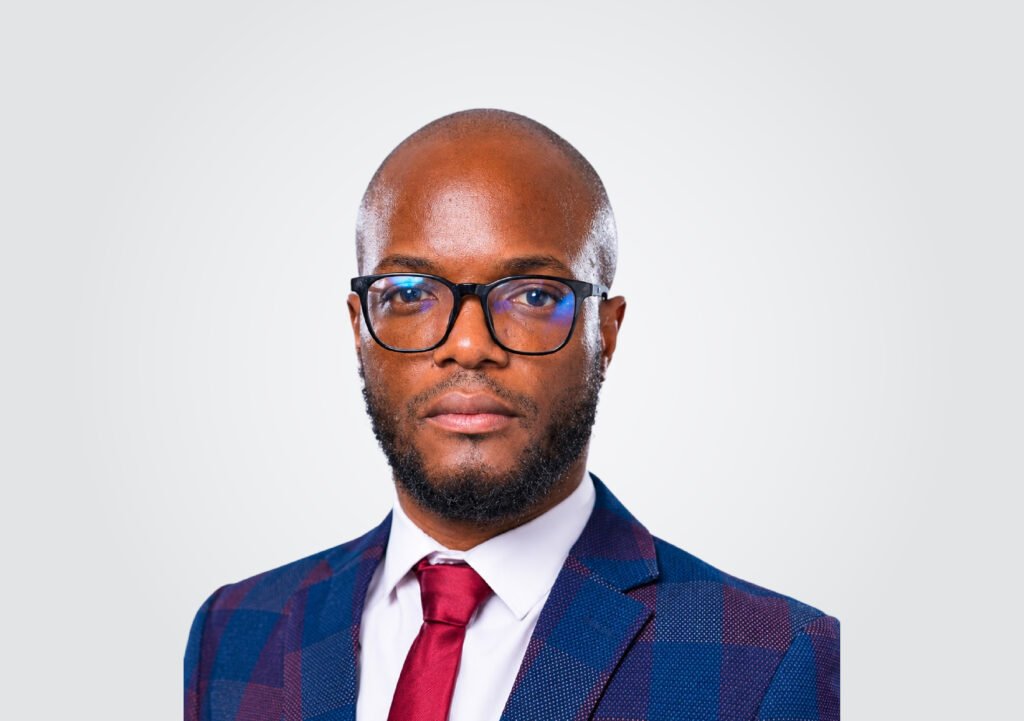
Tasekhaya: You started out working with vulnerable children and young people, and today you’re a CEO. Did you ever imagine your career would take you this far?
Daniel: Honestly, when I started working with vulnerable children and young people, my focus was on making a difference in their lives. I wasn’t necessarily thinking about becoming a CEO. I was focused on serving, learning and growing through every opportunity. Every experience was preparing me for the next chapter. Working with vulnerable communities taught me empathy, resilience and the importance of decisions that improve lives. Those lessons remain relevant today. I believed in hard work, learning and staying open to opportunities.
Tasekhaya: Looking back, what’s one career decision that completely changed the direction of your life?
Daniel: One important decision was embracing opportunities that pushed me outside my comfort zone. Different professional environments exposed me to new ways of thinking and leading. Growth doesn’t always happen in comfort. Sometimes you must start again, learn new systems and prove yourself in unfamiliar spaces. That broadened my perspective and taught me not to limit my future to what I already know.
Tasekhaya: You’ve worked in both the corporate world and local government. What’s been the biggest adjustment moving into municipal leadership?
Daniel: The biggest adjustment has been balancing institutional performance with community needs and expectations. The corporate world emphasises efficiency, performance and measurable results. These matter in local government too, but municipal leadership adds public accountability and responsibility to serve people with different needs.
Municipal decisions affect everyday lives. Leaders must be transparent, responsive and strategic, even with limited resources. My challenge has been bringing a performance-driven mindset into public service while keeping people at the centre.
Tasekhaya: Every leader has that one decision that keeps them up at night. What’s been your toughest moment as a leader, and how did you handle it?
Daniel: The toughest moments are those where every available option has consequences, and you must make a decision that serves the greater good, even if it does not please everyone.
Leaders balance limited resources, competing priorities and public expectations. These decisions are difficult because people’s lives and livelihoods are affected. I gather facts, consult the right people, consider long-term implications and make the most responsible decision possible. Then I take accountability and remain open to learning. Leadership is about making difficult decisions for the right reasons.
Tasekhaya: Let’s settle this debate: when it comes to getting ahead in your career, what matters more, qualifications, experience, or who you know?
Daniel: Competence matters most, but qualifications, experience and relationships all play important roles. Qualifications provide knowledge, experience teaches application, and relationships offer opportunities, mentorship and new perspectives. Getting an opportunity and sustaining success are different things. Someone may recommend you, but performance, integrity and delivery determine whether you succeed. Invest in all three, but remember: qualifications may open the door, while competence and character help you build a lasting career.
Tasekhaya: Many young people work hard but still feel stuck. Is hard work enough to get ahead in Eswatini, or is there something else people need to understand?
Daniel: Hard work is essential, but it is not always enough. You also need direction, skills, adaptability and the ability to recognise opportunities. Young people in Eswatini face real challenges, including limited employment opportunities and intense competition. Not every obstacle is caused by a lack of effort; sometimes opportunities are genuinely limited. They can strengthen their position by developing skills, networking, seeking mentorship and exploring entrepreneurship and digital opportunities. Work hard, but strategically: ask what skills you are building, what problems you can solve and how you are preparing for the future.
Tasekhaya: As CEO, you’ll not always make decisions that everyone agrees with. How do you handle criticism when you know you have to stand by a difficult decision?
Daniel: Criticism comes with leadership, particularly when your decisions affect many people. My first responsibility is to distinguish feedback that can help me improve from criticism based on a misunderstanding.
I listen because no leader is above correction. I acknowledge gaps and adjust. However, when a decision is grounded in evidence, ethics and the organisation’s long-term interests, I must have the courage to stand by it.
People deserve to understand decisions that affect them. Leadership is about accountability, fairness and consistency, not popularity.
Tasekhaya: If I gave you just 90 days to make a visible difference in Piggs Peak, where would you start, and why?
Daniel: I would listen to the community, assess priorities and identify practical interventions. The first 30 days would involve engaging residents, businesses, councillors and employees, while reviewing projects and resources. The next 30 would target practical priorities such as cleanliness, waste management, public spaces and service-delivery responses. The final 30 days would measure progress, communicate results and assign accountability. Quick wins must be affordable and linked to a longer-term plan, building momentum for lasting improvement rather than temporary change.
Tasekhaya: You’ve climbed the career ladder into executive leadership. What’s one mistake you see young professionals making that could be holding them back?
Daniel: One mistake is focusing too much on the position they want instead of developing the capabilities needed to perform at that level. Ambition matters, but young professionals must master current responsibilities, learn from feedback, build relationships and strengthen problem-solving skills. Every role is a chance to demonstrate reliability and initiative. Professional reputation matters too: how you treat people, respond under pressure and handle responsibility. Do not just prepare for the next title; prepare for its responsibilities.
Tasekhaya: Now that you’re a CEO, what’s next for Daniel Pave? Are you looking to lead an even bigger institution, or is building a legacy what matters most to you?
Daniel: For me, the next chapter is about impact, growth and legacy. I remain ambitious and open to opportunities that will challenge me to grow and contribute at a greater level. However, success should not be measured only by the size of an institution or the title you hold. I want to be remembered for strengthening institutions, developing people and helping communities prosper. I would consider leading a bigger institution if it aligned with those values. Wherever I serve, I want to leave the institution stronger.
Titles are temporary, but the impact you make on people’s lives can endure for generations. That is the legacy I want to build.



0 Comments