Ayanda Methula On Career Growth, Quality And Innovation
BY TASEKHAYA DLAMINI
What does it take to move from working behind the scenes in a laboratory to leading teams and shaping the standards that protect consumers? For Ayanda Methula, the answer lies in continuous learning, scientific curiosity and the courage to grow beyond technical expertise. With seven years at Premier FMCG, she has built a career grounded in quality, innovation and leadership. In this edition of the Khuluma Eswatini Career Chat, Methula shares the lessons that shaped her journey, the realities of being a woman in manufacturing, and why success is about more than qualifications, it is about the impact you make.
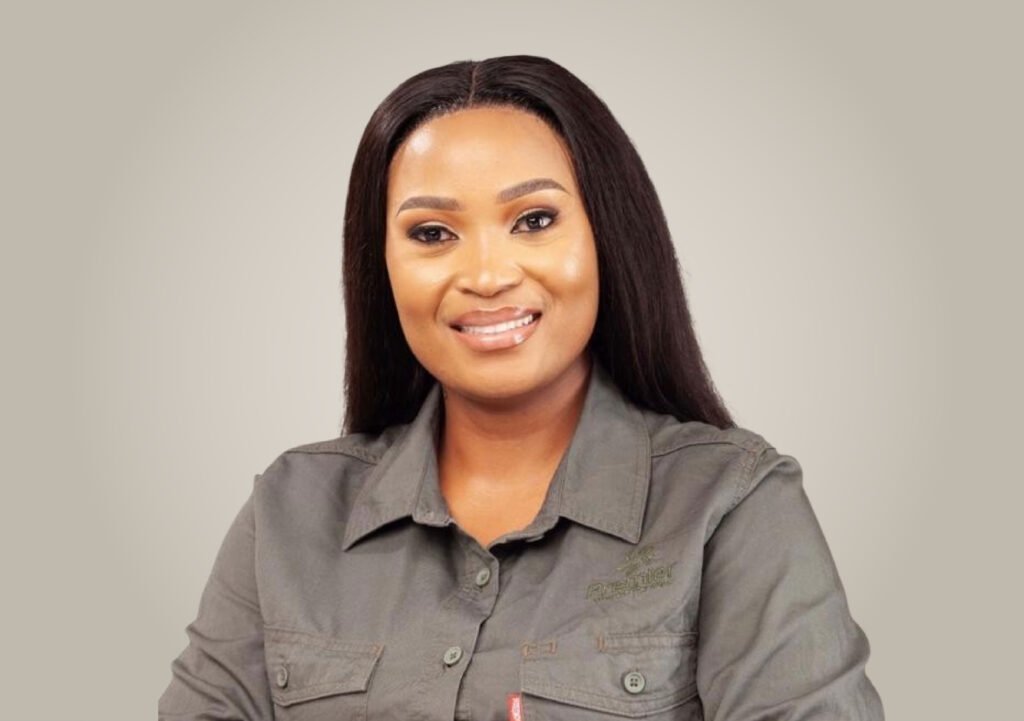
Tasekhaya: What was the turning point that took you from research and laboratory work into leadership?
Ayanda: As I gained experience in laboratory operations, quality management, and systems implementation, I was increasingly entrusted with greater responsibilities, including leading teams and driving quality improvement initiatives. A significant turning point was the confidence that management placed in me by recognizing my efforts, commitment, and eagerness to grow within the business.
I was also inspired by my predecessor, whose leadership style demonstrated the value of guiding and empowering others to achieve their best. Through these experiences, I came to understand that leadership is not just about managing processes but about influencing people, developing talent, and creating an environment where individuals and teams can thrive.
Tasekhaya: What have you learned about building a successful career during your seven years at Premier FMCG?
Ayanda: Over the past seven years at Premier FMCG, I have learned that a successful career is built on consistency, not quick wins. Sustainable growth requires continuous learning, adaptability and a willingness to step outside your comfort zone to embrace new challenges and opportunities. Success also depends on strong teamwork and shared accountability. Above all, integrity and accountability are essential to lasting success.
Tasekhaya: What does a typical day as a QA/QC Manager involve, and what is your greatest responsibility?
Ayanda: No two days are the same, and that is one of the things I enjoy most about my role. My daily work includes reviewing quality performance indicators, monitoring production compliance and overseeing laboratory operations. I also investigate quality concerns, support internal and external audits, and work with cross-functional teams to drive continuous improvement.
My greatest responsibility is ensuring that every product reaching consumers is safe, compliant and consistently meets the company’s quality standards. Consumer trust depends on effective quality systems and our people’s commitment to upholding the highest standards every day.
Tasekhaya: What is one common misconception people have about food safety and quality?
Ayanda: One of the most common misconceptions is that food safety and quality are solely the responsibility of the Quality Department. Quality is everyone’s responsibility. It begins with the sourcing of raw materials, continues throughout manufacturing and packaging, and extends to storage, distribution, and ultimately the consumer experience.
The Quality Department provides guidance, systems, and oversight, but sustainable success comes from a collective commitment across the entire organization. When quality becomes part of everyone’s mindset, organizations are far better positioned to consistently deliver safe, compliant, and high-quality products.
Tasekhaya: How has your sorghum research influenced the way you approach innovation and quality in food production?
Ayanda: My sorghum research had a significant influence on how I approach innovation and quality in food production. It taught me the importance of scientific thinking, curiosity, and evidence-based decision-making.
Through my research, I learned that successful innovation is not just about generating new ideas but about validating those ideas through rigorous testing and data-driven evaluation. Ultimately, my sorghum research provided a strong scientific foundation that continues to guide my decisions and enables me to balance innovation with the highest standards of quality and food safety.
Tasekhaya: How has pursuing an MSc in Food Science and Technology influenced your career?
Ayanda: Although I am still pursuing my MSc in Food Science and Technology, the program has already helped shape my career by deepening my knowledge of food systems, quality assurance, food safety and scientific research.
Beyond technical knowledge, the program has strengthened my critical thinking, analytical and problem-solving skills. Most importantly, it has broadened my strategic understanding of the food manufacturing industry. By helping me apply academic knowledge to real-world business challenges, it is enabling me to bridge the gap between science and industry.
Tasekhaya: Beyond technical knowledge, which skill has made the biggest difference in your career?
Ayanda: Communication has been my biggest career gamechanger. In quality management, success depends not only on understanding technical requirements but also on effectively communicating expectations, influencing stakeholders, resolving conflicts, and motivating teams.
Tasekhaya: What has been the biggest challenge you have faced as a woman in manufacturing, and how have you overcome it?
Ayanda: One challenge has been overcoming stereotypes in a traditionally male-dominated industry. Early in my career, I learned that credibility comes from competence, consistency and confidence. I focused on delivering results, deepening my knowledge and speaking up when it mattered. Today, I see my experience as an opportunity to inspire other women to pursue leadership roles in manufacturing and STEM-related fields.
Tasekhaya: How do you inspire your team to take ownership of quality, rather than just follow procedures?
Ayanda: I believe people take ownership when they understand the purpose behind what they do. I spend time explaining how quality impacts consumers, the business, and our brand reputation. I encourage open communication, involve team members in problem-solving, recognize good performance, and empower them to make decisions within their area of responsibility.
Tasekhaya: What three things should young Food Science graduates focus on to build a successful career in FMCG?
Ayanda:
- Build strong technical foundations: Develop a thorough understanding of food safety, quality management systems, manufacturing processes and regulatory requirements.
- Gain practical experience: Seek internships, graduate trainee programs and opportunities to work on real-world projects. This practical exposure is invaluable.
- Develop soft skills: Strengthen your communication, teamwork, leadership, adaptability and problem-solving skills. These often distinguish exceptional professionals from good ones. Stay curious, remain open to learning and view every challenge as an opportunity to grow.
Closing Message
“My career has taught me that success is not about having all the answers from the start. It is about a willingness to learn, resilience in the face of challenges and a consistent commitment to excellence. To young professionals entering the food industry: stay curious, embrace opportunities and never underestimate the impact you can make through quality, innovation and integrity.”


0 Comments