BY TASEKHAYA DLAMINI
Success stories are often told through titles, milestones, and public recognition. But for Siphiwo Lushaba, the journey began much more quietly through volunteering, community work, and simply showing up consistently where he was needed.
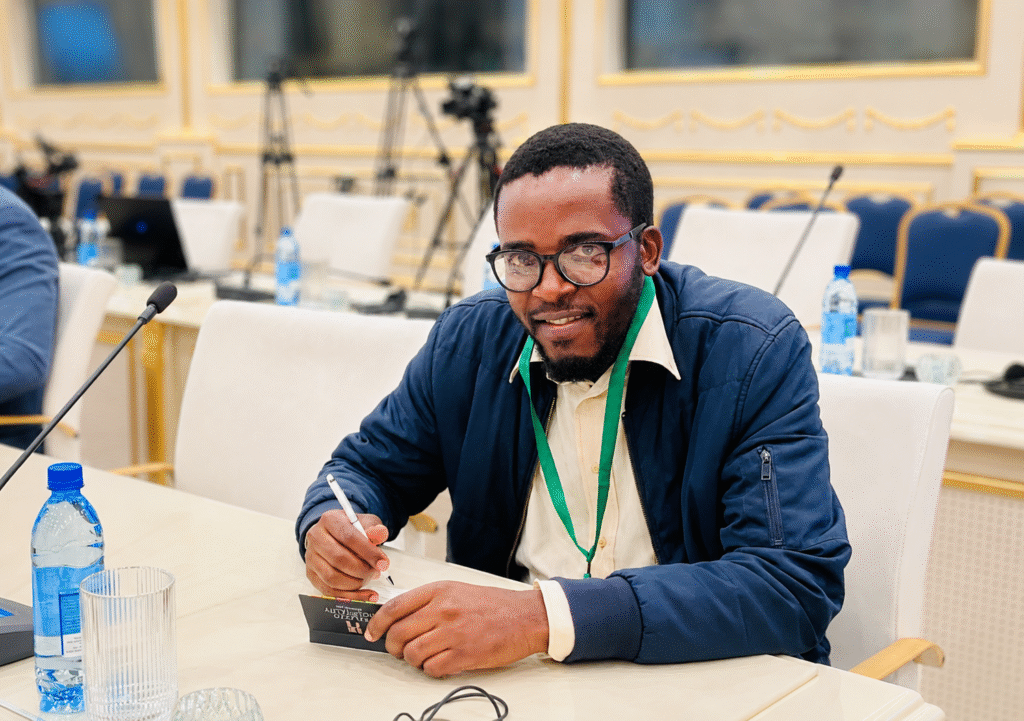
Over the years, Siphiwo has moved across different spaces including youth development, entrepreneurship, branding, leadership, community initiatives, and mental health advocacy. Through organisations and platforms such as Startup Grind and Young African Leaders Initiative, he has built a reputation rooted in service, creativity, and leadership.
In this edition of Khuluma Eswatini Career Chat, Siphiwo reflects on purpose, entrepreneurship, leadership, faith, and the lessons shaping his journey.
TASEKHAYA: Your journey starts with volunteering, not a business plan. When did you realise you were building a career, not just helping out?
SIPHIWO: The turning point came when I realised people kept trusting me with bigger responsibilities. I started seeing that the skills I was using, communication, leadership, organising people, storytelling, branding, and problem-solving, were valuable beyond volunteering. That’s when it clicked for me: purpose can become a profession if you stay consistent long enough. Sometimes your career finds you while you are busy serving others.
TASEKHAYA: You’ve moved from teaching students how to apply for university to leading organisations, what’s one truth about “opportunity” you wish every young person understood earlier?
SIPHIWO: A lot of young people wait for the “perfect” breakthrough, but many breakthroughs are built quietly through consistency and showing up.
The rooms I’ve entered through Startup Grind, entrepreneurship, and leadership spaces did not happen overnight. They were built through relationships, service, sacrifice, and being dependable over time.
Another important truth is that opportunities do not always change your life immediately, but they change your direction. Sometimes one conversation, one volunteer role, or one small project introduces you to people and experiences that shape your future.
TASEKHAYA: You’ve studied PR, design, business, and leadership. If your career was a recipe, what ingredient do you think changed everything for you?
SIPHIWO: Knowing yourself, knowing your purpose, and understanding why you keep doing what you do should be the foundation of success. A lot of people chase money, titles, or trends before understanding themselves first. I’ve also learned that growth only happens through action. Many people stay stuck because they fear failing publicly. Leadership taught me that technical skills alone are not enough. You need empathy, emotional intelligence, and the ability to work with people. If you cannot understand people, it becomes difficult to lead them. Most importantly, I believe being grounded spiritually matters. Principles, discipline, and faith become anchors when life becomes uncertain.
TASEKHAYA: From writing stories to building brands, what’s harder: shaping public perception or shaping a product people trust?
SIPHIWO: You can create campaigns and market a brand beautifully, but if the actual product or service lacks integrity, people eventually notice. Trust is built through consistency, honesty, and delivering value repeatedly. Authenticity matters more than polished marketing. I’ve learned that branding should not be about pretending to be something you are not. The strongest brands are aligned with truth and experience. Trust is earned slowly and lost quickly.
TASEKHAYA: You’ve worked across community projects, elections, and corporate spaces, where did you learn the most about how people really behave?
SIPHIWO: When you work in community initiatives, leadership spaces, or elections, you meet people from very different backgrounds and perspectives.
You learn that people are often driven by hope, fear, recognition, survival, and sometimes pain. Community work taught me that leadership is less about controlling people and more about understanding them.
I’ve also learned that many people are silently carrying burdens you cannot see. Sometimes what communities need most is not someone with all the answers, but someone willing to listen sincerely.

TASEKHAYA: Startup Grind, YALI, RAA, you’ve been in rooms full of young builders. What separates the ones who talk from the ones who build?
SIPHIWO: I’ve met brilliant young people through Startup Grind, YALI RLC SA, and other leadership spaces. Talent is common. Discipline is rare. The people who eventually succeed are usually the ones willing to keep learning, adapting, and working long after excitement fades. They understand that success is built through systems, sacrifice, and endurance, not motivation alone.
TASEKHAYA: You’ve sold, marketed, designed, and led, at what point did you realise you weren’t just “doing jobs,” but building something bigger for yourself?
SIPHIWO: At first, selling, designing, marketing, volunteering, and leading felt like separate roles. But eventually I realised everything was contributing to one larger vision, helping people, building ideas, creating impact, and shaping narratives. That understanding changed how I viewed my journey. I stopped seeing myself as someone simply doing jobs and started seeing myself as someone building influence, leadership, and purpose over time. Even my setbacks became part of the process. Some seasons humbled me, others stretched me, but all of them taught me something valuable about resilience and identity.
TASEKHAYA: You’ve helped run conversations that shape communities. What’s one uncomfortable truth about young entrepreneurship in Eswatini no one likes to say out loud?
SIPHIWO: Social media has made entrepreneurship look exciting, but the reality is often lonely, uncertain, and financially difficult, especially in the early stages. Many young entrepreneurs struggle with consistency, systems, financial management, and patience because success today is often measured by visibility instead of sustainability. Another difficult truth is that access remains unequal. Some young people have networks, funding, and mentorship, while others are trying to build with very limited resources. At the same time, I believe Eswatini has incredible young talent and creativity. What we need more of is collaboration, mentorship, innovation, and ecosystems that genuinely support long-term growth instead of short-term hype.
TASEKHAYA: Talksy Wellness and ToFo Digital are very different worlds, how do you decide which problems are worth your time and energy?
SIPHIWO: Talksy Wellness comes from my passion for mental health advocacy and community healing. Mental health is deeply personal to me because many people suffer silently. ToFo Digital focuses more on communication, branding, and helping businesses grow strategically. I enjoy helping organisations and entrepreneurs communicate their value clearly and professionally.
For me, the common thread is transformation. I’m drawn to problems where communication, creativity, leadership, or empathy can genuinely improve people’s lives or businesses.
TASEKHAYA: If everything you’ve done so far was just preparation for what’s next, what do you think life is still training you for?
SIPHIWO: Every leadership role, challenge, setback, business idea, and community project has taught me something deeper about responsibility, endurance, and purpose. I believe life is preparing me to become a leader who creates opportunities for others, especially young people who feel overlooked or uncertain about their future. I also believe I’m being trained to build platforms, businesses, and communities that combine impact with sustainability.
At the same time, life has been teaching me humility. The journey has reminded me that success is not only about achievements, but about becoming the kind of person who can carry greater responsibility with wisdom, compassion, and integrity.
Conclusion
For young people navigating uncertainty, entrepreneurship, or leadership, the message is clear: start where you are, remain disciplined, trust the process, and allow purpose to guide the journey forward.



0 Comments