BY TASEKHAYA DLAMINI
Some careers progress linearly while others are built through courage, reinvention, and the willingness to step beyond comfort zones. For Thandazile Dlamini—widely known as TD, among contemporaries—her progression from educator to executive leader reflects a journey marked by ambition, resilience, faith, and continuous growth.
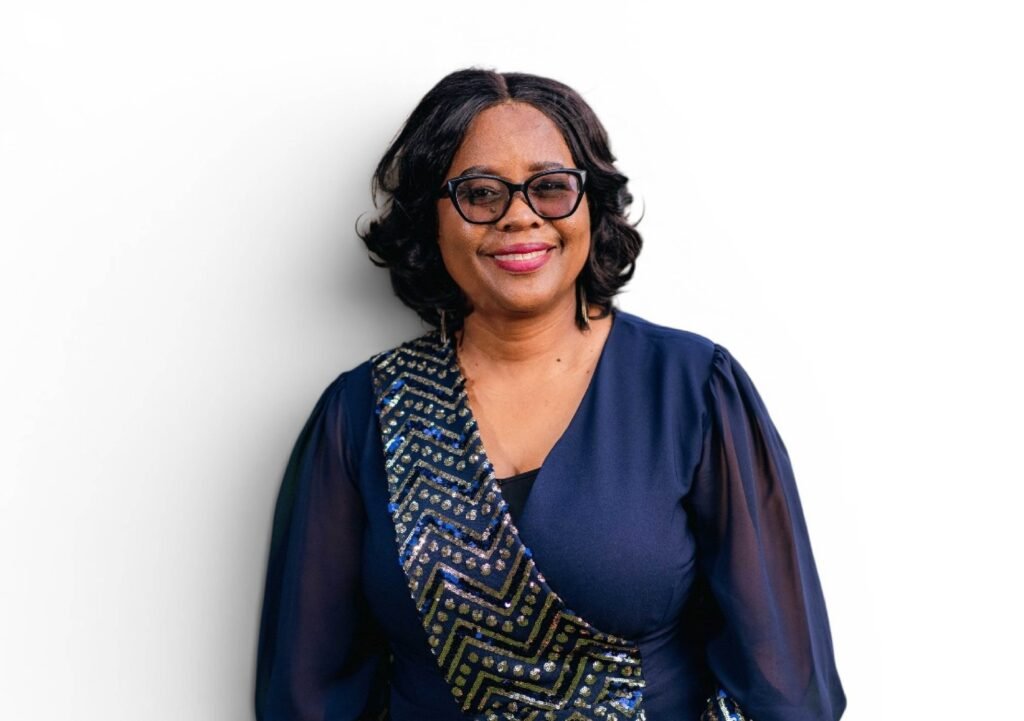
From her beginnings in the classroom to rising through executive leadership at MTN Eswatini, including serving as CEO and now Chief Commercial Officer at Nedbank Eswatini, her career reflects the power of adaptability and purposeful leadership. In this edition of Khuluma Eswatini Career Chat, she reflects on the lessons, transitions, and principles that shaped her remarkable path.
Tasekhaya: You began your career in education, what inspired your transition from the classroom into the corporate world?
Thandazile: My career began in education, where I developed a deep respect for human potential and the transformative power of knowledge. However, I felt drawn toward the corporate world because I wanted greater growth, influence, and impact. Even in high school and university, I naturally found myself in leadership positions. People often looked to me for guidance, and over time I realized my ambitions extended beyond the classroom. While teaching was meaningful, I wanted to influence organizations and communities on a grand scale. I am also a strong believer in God and how He shapes people’s destinies. My transition into the corporate world was not only driven by ambition but also by my purpose and faith.
Tasekhaya: Lets reflect on your move to the United Kingdom (UK) early in your career, how did that international exposure shape your mindset and professional direction?
Thandazile: Relocating to the UK was a defining moment in my life. I moved to support my husband, who had earned a scholarship to study engineering, but the experience opened unexpected doors for my own growth. I started working in a telemarketing contact centre, where I learned sales, customer engagement, and portfolio management. Being the only Black person in the company challenged me to adapt quickly and navigate a completely different culture. That experience broadened my perspective, strengthened my resilience, and taught me the importance of cultural sensitivity and adaptability.
Tasekhaya: How did moving from operations and marketing to sales leadership enable you to intentionally build a diverse and well-rounded skill set?
Thandazile: My career path has been shaped by deliberate risks and a willingness to leave my comfort zone. When I arrived in the UK, I initially did supply teaching, but I quickly realized it was not the long-term path I wanted. That realization pushed me to study technology and explore different industries. Although my telemarketing role was not a core technology job, it exposed me to how technology drives business processes. The environment was highly performance-driven, and success depended on closing sales. That experience sharpened my communication skills, built resilience, and taught me discipline. Each position challenged me, and I gradually realised that these experiences were intentionally shaping me for future leadership opportunities.
Tasekhaya: Your journey within MTN saw you rise through multiple executive roles, including CEO, what do you believe positioned you for that level of leadership?
Thandazile: My appointment to a leadership role at MTN was the result of consistently delivering outstanding performance and demonstrating a strong commitment to professional growth. I also recognize that I needed mentorship and guidance in the early stages of my career, and I was privileged to work with people who supported my development. So, in a sense, MTN was my “leadership college.” It is one organization I know that pushes individuals to rise to their full potential. I embraced challenges, supported areas beyond my formal role, and focused on adding value rather than chasing titles. My readiness to push beyond my limits equipped me become for bigger roles.
Tasekhaya: What were some of the toughest transitions you faced as you moved from management into executive leadership?
Thandazile: The transition from management to executive leadership requires a complete mindset shift. Leadership at that level is less about doing the work yourself and more about empowering others, shaping culture, and creating an environment where people can succeed. One of the hardest lessons is learning to let go and trust your teams. However, it is also one of the most rewarding experiences because true leadership is about developing others and watching them grow into leaders themselves.
Tasekhaya: As someone who has led both strategy and execution, how do you balance big-picture thinking with operational excellence?
Thandazile: I believe strategy without execution is meaningless, and execution without vision is shortsighted. I balance both by ensuring that every strategy is supported by clear operational frameworks and measurable outcomes. One principle I strongly believe in is that you get what you inspect, not what you simply expect. Inspection is not about micromanagement, it is about accountability, alignment, and ensuring execution remains true to the vision.
Tasekhaya: What leadership principles guided you while serving as CEO, and how have they evolved in your current role as Chief Commercial Officer?
Thandazile: As CEO, my leadership principles were rooted in integrity, respect, customer centricity, innovation, and authenticity. I believe leadership is about seeing people as human beings first and creating an environment built on trust and respect. In my current role as Chief Commercial Officer, those principles continue to guide me, but with an even stronger emphasis on collaboration and learning as I navigate a new industry. Leadership is never static. It evolves with responsibility, context, and the changing needs of the business.
Tasekhaya: You’ve also served on boards such as UNESWA and ECOT, how has governance shaped your perspective as a leader?
Thandazile: Serving on boards such as UNESWA and ECOT deepened my understanding of governance and accountability. It reinforced the importance of transparency, sustainability, and long-term stewardship. Governance taught me that leadership is not only about short-term success but also about building institutions that can thrive for generations.
Tasekhaya: Looking at your journey across industries and countries, what do you believe has been your biggest competitive advantage?
Thandazile: My greatest competitive advantage has been authenticity and adaptability. I have learned to embrace change, thrive in unfamiliar environments, and remain grounded in who I am. Growth happens outside comfort zones. Every challenge and transition strengthened my resilience and expanded my capacity to lead. Authenticity keeps me grounded, while adaptability keeps me relevant.
Tasekhaya: For young professionals in Eswatini, especially women aspiring to executive roles, what strategic steps should they take to build a career as impactful as yours?
Thandazile: First, dare to dream and intentionally pursue those dreams. Seek experiences that stretch your abilities and broaden your perspective.
Second, build resilience. Challenges are inevitable, but your response to them will shape your future.
Third, invest in mentorship, coaching, and strong networks. Relationships and guidance are critical for growth.
Above all, believe in your ability to lead. With faith, discipline, and perseverance, it is possible to rise beyond what you once imagined.



0 Comments