Fikile Nkosi’s career began in administration and progressed to CEO and strategic business leader, spanning human resources, sales, entrepreneurship and organizational transformation.
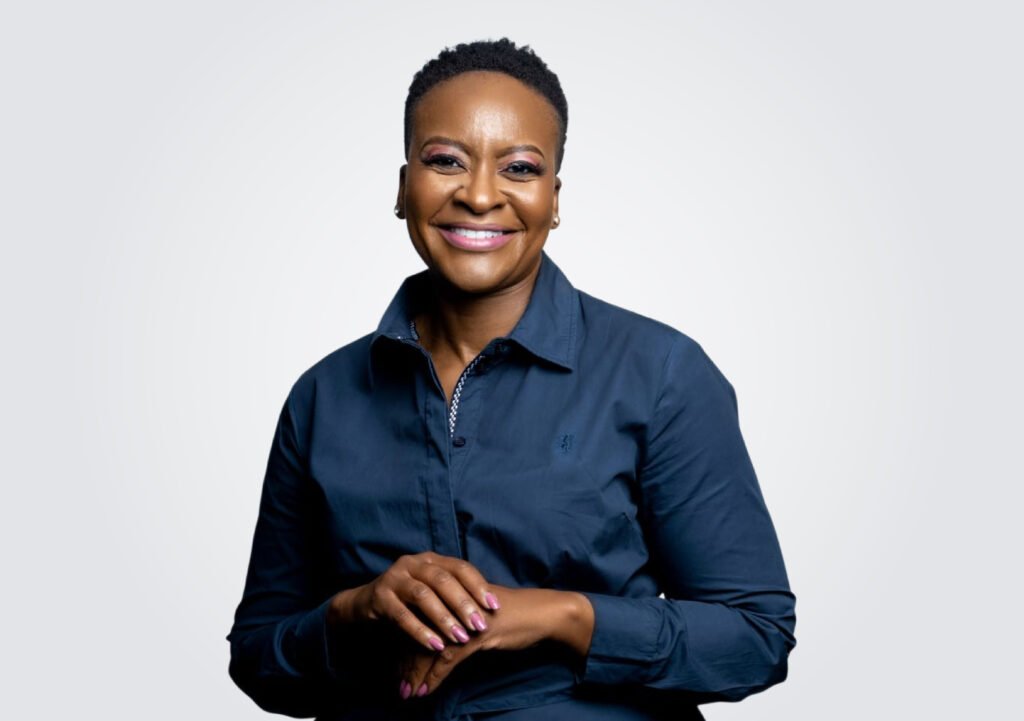
In this edition of Career Chat, Nkosi shares lessons on aligning people and performance, leading change and developing future leaders.
Tasekhaya: You started your career in an administrative role and are now a CEO. Looking back, what lesson from your first job still influences the way you lead today?
Fikile: I learned early that no role is small. In administration, the quality of my work affected others, teaching me accountability, attention to detail and how each contribution supports the bigger picture.
As CEO, I value every role and provide clarity so people understand how their work supports organizational goals.
Tasekhaya: After gaining experience in both corporate leadership and entrepreneurship, what drew you back to running your own business, and how has your leadership evolved?
Fikile: I returned to entrepreneurship to apply my corporate experience in scale, governance and strategy more directly. Running my own business lets me help leadership teams drive deeper transformation and solve complex challenges.
My leadership has evolved from execution to enabling others through alignment and thoughtful questions. Leadership is less about control than creating conditions for people and systems to thrive.
Tasekhaya: You often speak about aligning people, processes, and performance. In your experience, what’s the biggest mistake organizations make when trying to achieve this?
Fikile: The biggest mistake organizations make is treating these elements in isolation. Many focus heavily on performance metrics without addressing whether the people are enabled or whether the processes support the desired outcomes. For example, organizations may push for higher performance without clarifying roles, simplifying processes, or equipping leaders with the right capabilities. This creates frustration, inefficiency, and ultimately disengagement.
Alignment requires a systems approach. People need clarity, processes need to be efficient and fit for purpose, and performance expectations must be realistic and measurable. When these three elements are aligned, organizations move from reactive problem-solving to sustainable performance.
Tasekhaya: Your career has evolved from human resources into strategic business leadership. At what point did you realize HR could be a powerful driver of business success rather than just a support function?
Fikile: That realization came when I began to see the direct link between people decisions and business outcomes. Whether it was leadership capability, team structure, or culture, the organizations that performed well were those that treated people strategy as a core business priority. I also observed that when HR operates purely as an administrative function, it misses the opportunity to influence strategy. However, when it is positioned correctly, HR becomes a critical driver of performance, growth, and sustainability.
This shifted my perspective entirely. I began to approach HR not just as a function, but as a strategic lever that can shape how organizations execute, compete, and grow.
Tasekhaya: You’ve helped organizations build high-performing workplace cultures. Can you share a transformation you’re particularly proud of and what made it successful?
Fikile: One transformation that stands out involved an organization struggling with low engagement and inconsistent performance across teams. The initial instinct was to address performance through stricter targets and accountability measures. However, through deeper engagement, it became clear that the issue was not performance, it was lack of clarity and alignment. Roles were unclear, processes were inefficient, and leadership expectations were inconsistent.
We focused on redefining structure, clarifying roles, and strengthening leadership capability. Over time, this created a more stable and empowered environment. Performance improved significantly, not because of pressure, but because people were finally set up to succeed. What made it successful was taking a step back and addressing root causes rather than symptoms.
Tasekhaya: How has working in sales shaped your perspective on leadership and business growth?
Fikile: Sales fundamentally changes how you think about business. It brings a strong focus on results, customer value, and accountability. Working in sales taught me that strategy must translate into measurable outcomes. It also reinforced the importance of adaptability, because market conditions, customer needs, and competitive landscapes are constantly evolving.
From a leadership perspective, it strengthened my understanding of performance management. High-performing sales teams require clarity, consistency, and strong leadership support. That experience has influenced how I approach leadership more broadly ensuring that expectations are clear and that teams are equipped to deliver.
Tasekhaya: What is the most challenging organizational change you’ve managed, and how did you bring people along on the journey?
Fikile: One of the most challenging changes I’ve led involved restructuring an organization to improve efficiency and long-term sustainability. As with many transformations, there was initial resistance, largely driven by uncertainty and lack of trust. The key to navigating this was communication and involvement. Rather than imposing change, we focused on helping people understand the “why” behind the decisions. We also created space for engagement, allowing leaders and teams to ask questions and contribute to the process.
Change is not just about systems and structures; it is about people. When people feel informed, involved, and supported, they are more likely to embrace change rather than resist it.
Tasekhaya: When working with executive teams, what’s the first question you ask to uncover what’s really holding an organization back?
Fikile: One of the first questions I ask is: “What is currently not working, and why has it not been addressed?” This question often reveals more than surface-level issues. It uncovers patterns, whether it’s avoidance of difficult decisions, lack of alignment within leadership, or systemic inefficiencies. In many cases, organizations are aware of their challenges, but they have not created the structure or accountability to address them effectively. That is often where the real work begins.
Tasekhaya: What are the three most important qualities you look for in future leaders, and how can young professionals begin developing them today?
Fikile: The three qualities I consider most important are self-awareness, accountability, and adaptability. Self-awareness allows leaders to understand their strengths, limitations, and impact on others. Accountability ensures that they take ownership of outcomes, rather than shifting responsibility. Adaptability enables them to navigate change and complexity effectively.
Young professionals can begin developing these qualities by seeking feedback, taking ownership of their work, and being open to learning and change. Leadership development does not start with a title; it starts with mindset and behaviour.
Tasekhaya: As you continue to grow your impact, what legacy do you hope to leave, not just in business, but in the lives and careers of the people you’ve mentored and led?
Fikile: I hope to leave a legacy of clarity, growth and transformation by helping organizations build sustainable systems and empowering people to realize their potential and lead with purpose. Success is ultimately measured by leaving people and organizations stronger, more aligned and ready for the future.

0 Comments