BY TASEKHAYA DLAMINI
Every child deserves to grow up in a safe, supportive environment where they feel heard and empowered to reach their full potential. Behind that vision are dedicated professionals working tirelessly to strengthen the systems that protect the most vulnerable. One such leader is Letsiwe Dlamini, the National Ombudsperson at SOS Children’s Villages Eswatini.
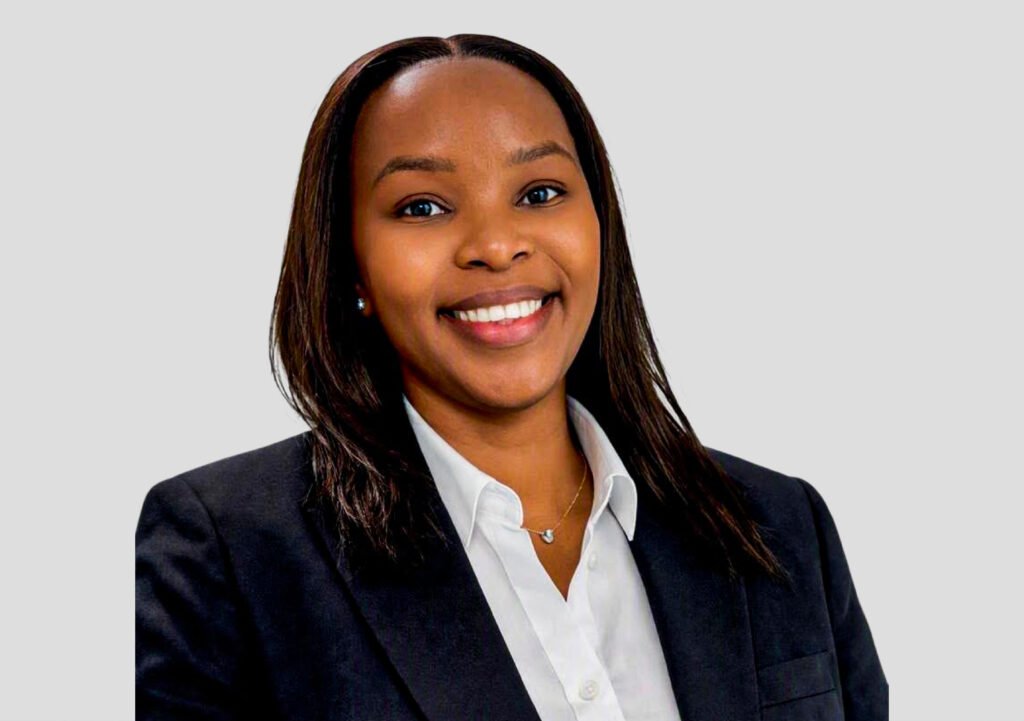
Letsiwe reflects her journey not only professional growth but also a steadfast commitment to creating lasting change for children, families, and communities across Eswatini.
In this edition of Khuluma Eswatini Career Chat, Letsiwe shares her inspiring journey, the values that continue to guide her leadership, and her vision for a future where safeguarding becomes a culture embraced by every institution and every community.
TASEKHAYA: You started your career with a Bachelor of Social Work. What inspired you to choose this profession?
LETSIWE: From the outset, I was drawn to social work because it is a discipline that embraces diversity and operates at the intersection of humanity and justice. It spans clinical practice, policy advocacy, systems reform, community development, and family support. What inspired me was its holistic nature, the ability to stand with individuals in moments of vulnerability while also addressing the structural gaps that determine whether dignity is protected or denied.
At UNESWA, my training exposed me to psychosocial assessment, trauma-informed care, mental health interventions, family strengthening, and community mobilisation. My path became clear through forensic social work, where the profession engages directly with justice systems, evidence, and accountability. The turning point came when I witnessed how a child’s testimony, when safeguarded and respected, could transform institutional responses and secure justice. That moment confirmed that advocacy was not simply a profession, it was my purpose.
Today, as Ombudsperson, I see my role as translating accountability into care systems by ensuring independent oversight, meaningful inquiries, and safeguarding standards that protect children in every care environment.
TASEKHAYA: What has been the common thread connecting every chapter of your career?
LETSIWE: The common thread has been strengthening protection and accountability for those whose voices often go unheard. At SWAGAA, I supported survivors of gender-based violence and learned that advocacy must create tangible change. At the Deputy Prime Minister’s Office, I gained valuable insight into justice systems and discovered how policy and legal frameworks can either safeguard or fail vulnerable children and families.
At ADRA, I expanded my perspective by integrating child protection into humanitarian and development programming, recognizing that safeguarding should never exist in isolation. Today, as National Ombudsperson, these experiences come together through independent oversight that strengthens trust, promotes organisational learning, and ensures accountability across alternative care systems.
Each chapter has intentionally prepared me to move from direct service to systemic reform, always with the goal of strengthening protection wherever children live, learn, and grow.
TASEKHAYA: You speak about strengthening safeguarding systems and making child protection a culture rather than just a policy. What does that look like in practice, and what changes are you most proud of contributing to?
LETSIWE: To make safeguarding a culture, protection must move beyond written policies and become part of everyday practice, shaping how institutions recruit, train, monitor, respond, and make decisions that affect children.
It starts with strong recruitment processes, employee vetting, ongoing training, risk assessments, monitoring, and ensuring children actively participate in decisions that affect them. Businesses can contribute by integrating child protection into workplace policies and corporate social responsibility initiatives, while public institutions must strengthen child-sensitive justice, education, and healthcare systems.
Communities also play a vital role by creating safe reporting mechanisms and shared accountability through families, traditional leaders, and youth groups.
As National Ombudsperson, I am proud to help move safeguarding beyond isolated interventions and position it as a shared ethical responsibility. This means ensuring that inquiries lead to organisational learning, monitoring strengthens trust, and accountability becomes embedded in institutional culture.
TASEKHAYA: Working in child protection comes with emotional and complex situations. What has been one of the most challenging moments in your career, and what did it teach you about resilience, leadership, and compassion?
LETSIWE: The greatest challenge was deciding what kind of social worker I wanted to become. Social work offers many paths, including clinical practice, forensic work, and humanitarian response. Choosing forensic and systemic practice meant committing to strengthening institutions and holding systems accountable rather than focusing solely on individual cases.
That decision taught me resilience, leadership, and compassion. It showed me that meaningful change requires courage, patience, and the determination to build systems that protect children’s dignity long into the future.
TASEKHAYA: As a Board Member at Nature Buddies Foundation, how do you use your leadership experience to create broader social impact beyond your professional role?
LETSIWE: Serving on the Board has enabled me to contribute through governance, strategic leadership, and ethical oversight. I assist in ensuring the Foundation operates sustainably while supporting resource mobilisation, financial accountability, and programmes that promote environmental education for children.
For me, leadership is about building resilient institutions, fostering community ownership, and creating systems that continue delivering impact long after individual leaders have moved on.
TASEKHAYA: You have spoken about the importance of safe spaces where children can learn, explore, and innovate. How can Eswatini create environments where every child feels protected, heard, and empowered?
LETSIWE: Safeguarding must become part of every sector. Schools, healthcare facilities, workplaces, and public institutions should all have dedicated social workers who identify risks early, provide psychosocial support, and strengthen referral systems before challenges escalate.
Community is equally important. Families, traditional leaders, and youth groups must work together to create safe spaces where children feel heard, valued, and protected.
My belief is that Eswatini should treat safeguarding as essential national infrastructure by investing in the professionals and systems that guarantee children’s safety, dignity, and opportunity.
TASEKHAYA: For young graduates entering social work and community development, what lessons from your own journey would you share about growing from an intern into a leader?
LETSIWE: Social work is a dynamic profession that requires resilience, adaptability, and vision. Every experience, whether working directly with children, developing programmes, or influencing policy, prepares you for leadership. My own journey taught me humility as an intern, advocacy in civil society, systems thinking in government, and institutional accountability as Ombudsperson.
To young professionals, my advice is simple: embrace every opportunity to learn, remain curious, and never underestimate the power of your voice. Leadership is built through consistent growth and intentional service.
TASEKHAYA: When future generations look back at your work, what change do you hope they will say you helped create for children and communities in Eswatini?
LETSIWE: I hope they will say I helped build a safeguarding architecture where no child had to face harm alone. My vision is to strengthen collaboration between government, civil society, schools, healthcare providers, and justice institutions so that protection becomes coordinated, accessible, and accountable. Ultimately, I hope my legacy will be one where safeguarding is institutionalized, justice is accessible, and every child grows up knowing they are protected, valued, and heard.


0 Comments